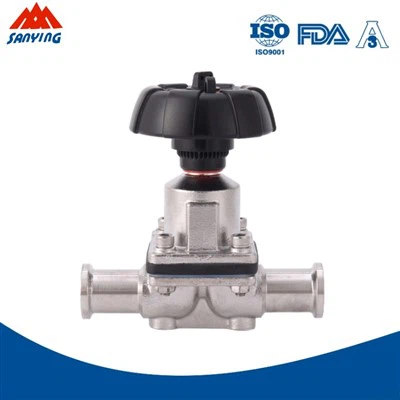
As a supplier of forged sanitary diaphragm valves, I often encounter inquiries from customers regarding the suitability of these valves for outdoor applications. This blog post aims to provide a comprehensive analysis of whether a forged sanitary diaphragm valve can be used outdoors, exploring the key factors, potential challenges, and best practices associated with such usage.
Understanding Forged Sanitary Diaphragm Valves
Forged sanitary diaphragm valves are designed primarily for use in industries where hygiene and cleanliness are of utmost importance, such as food and beverage, pharmaceutical, and biotechnology. These valves feature a diaphragm that separates the flow medium from the valve body, preventing contamination and ensuring a high level of sanitary performance. The forging process used in their manufacturing results in a strong and durable valve body, capable of withstanding high pressures and temperatures.


Key Features of Forged Sanitary Diaphragm Valves
- Hygienic Design: The diaphragm design eliminates dead spaces and crevices where bacteria and other contaminants can accumulate, making these valves ideal for applications where strict sanitary standards must be maintained.
- Corrosion Resistance: Forged sanitary diaphragm valves are typically made from high-quality stainless steel, which provides excellent corrosion resistance, ensuring long-term durability and reliability.
- Precise Flow Control: The diaphragm allows for precise control of the flow rate and pressure, making these valves suitable for a wide range of applications.
- Easy Maintenance: The modular design of these valves makes them easy to disassemble, clean, and maintain, reducing downtime and maintenance costs.
Outdoor Applications: Considerations and Challenges
While forged sanitary diaphragm valves are designed primarily for indoor use, they can be used in outdoor applications under certain conditions. However, several factors must be considered to ensure the valve's performance and longevity in an outdoor environment.
Environmental Conditions
- Temperature Extremes: Outdoor temperatures can vary significantly, from extreme cold in winter to high heat in summer. Forged sanitary diaphragm valves must be able to withstand these temperature fluctuations without compromising their performance. Some valves may require additional insulation or heating to prevent freezing in cold weather, while others may need cooling systems to prevent overheating in hot weather.
- Humidity and Moisture: High humidity and moisture levels can lead to corrosion and rust, especially if the valve is not properly protected. It is essential to choose a valve with a high level of corrosion resistance and to ensure that it is installed in a location where it is protected from direct exposure to rain, snow, and other forms of moisture.
- UV Exposure: Prolonged exposure to ultraviolet (UV) radiation can cause damage to the valve's diaphragm and other components, leading to premature failure. Valves used in outdoor applications should be equipped with UV-resistant materials or protective coatings to prevent UV damage.
Physical Protection
- Mechanical Damage: Outdoor valves are more susceptible to mechanical damage from impacts, vibrations, and other physical forces. It is important to install the valve in a location where it is protected from potential sources of damage, such as heavy machinery, vehicles, and falling objects. Additionally, the valve should be properly secured and supported to prevent movement and vibration.
- Debris and Contamination: Outdoor environments are often exposed to dust, dirt, leaves, and other debris, which can accumulate on the valve and cause blockages or damage. Regular cleaning and maintenance are essential to prevent debris from entering the valve and affecting its performance.
Regulatory Compliance
- Local Codes and Standards: Outdoor applications may be subject to local codes and standards that govern the installation and use of valves. It is important to ensure that the valve complies with all relevant regulations and to obtain any necessary permits or approvals before installation.
- Industry Standards: In addition to local codes, forged sanitary diaphragm valves used in outdoor applications must also comply with industry standards, such as 3A, ASME, and FDA. These standards ensure that the valve meets the highest levels of quality and safety for use in sanitary applications.
Suitable Outdoor Applications
Despite the challenges, there are several outdoor applications where forged sanitary diaphragm valves can be used effectively.
Water Treatment Plants
- Filtration Systems: Forged sanitary diaphragm valves are commonly used in water treatment plants to control the flow of water through filtration systems. These valves can be used to regulate the flow rate, pressure, and direction of water, ensuring efficient and effective filtration.
- Chemical Dosing Systems: In water treatment plants, chemicals are often added to the water to disinfect, treat, and condition it. Forged sanitary diaphragm valves can be used to control the flow of chemicals into the water, ensuring accurate dosing and preventing over- or under-dosing.
Food and Beverage Processing Facilities
- Outdoor Storage Tanks: Many food and beverage processing facilities have outdoor storage tanks for raw materials, finished products, and waste. Forged sanitary diaphragm valves can be used to control the flow of liquids in and out of these tanks, ensuring proper storage and handling.
- Outdoor Processing Equipment: Some food and beverage processing operations, such as washing, rinsing, and cooling, may be carried out outdoors. Forged sanitary diaphragm valves can be used to control the flow of water and other fluids in these processes, ensuring hygienic and efficient operation.
Pharmaceutical and Biotechnology Facilities
- Outdoor Cleanrooms: In some pharmaceutical and biotechnology facilities, outdoor cleanrooms may be used for specific processes, such as air filtration and waste disposal. Forged sanitary diaphragm valves can be used to control the flow of air and fluids in these cleanrooms, ensuring a clean and sterile environment.
- Outdoor Utility Systems: Pharmaceutical and biotechnology facilities often have outdoor utility systems, such as water, steam, and gas distribution systems. Forged sanitary diaphragm valves can be used to control the flow of these utilities, ensuring reliable and efficient operation.
Recommended Products for Outdoor Applications
As a supplier of forged sanitary diaphragm valves, I recommend the following products for outdoor applications:
- 3A Flange Manual Hygienic Sanitary Diaphragm Valve: This valve features a 3A flange connection, which provides a secure and leak-free connection. It is suitable for use in a wide range of outdoor applications, including water treatment plants, food and beverage processing facilities, and pharmaceutical and biotechnology facilities.
- 3A Manual Stainless Steel Hygienic Diaphragm Valve: This valve is made from high-quality stainless steel, which provides excellent corrosion resistance. It is designed for use in applications where precise flow control is required, such as in chemical dosing systems and filtration systems.
- 3A Weld Manual Sanitary Hygienic Diaphragm valve: This valve features a welded connection, which provides a strong and durable connection. It is suitable for use in applications where high pressures and temperatures are involved, such as in steam distribution systems and hot water applications.
Best Practices for Outdoor Installation and Maintenance
To ensure the performance and longevity of forged sanitary diaphragm valves in outdoor applications, the following best practices should be followed:
- Proper Installation: The valve should be installed in accordance with the manufacturer's instructions and local codes and standards. It should be installed in a location where it is protected from environmental factors, such as temperature extremes, humidity, and UV exposure.
- Regular Maintenance: Regular maintenance is essential to ensure the valve's performance and longevity. This includes cleaning the valve, inspecting the diaphragm for damage, and lubricating the moving parts as needed.
- Monitoring and Inspection: The valve should be monitored regularly for signs of wear, damage, or leakage. Any issues should be addressed immediately to prevent further damage and ensure the valve's continued operation.
- Use of Protective Coatings: Applying a protective coating to the valve can help to prevent corrosion and damage from environmental factors. Choose a coating that is compatible with the valve's materials and the outdoor environment.
Conclusion
In conclusion, forged sanitary diaphragm valves can be used in outdoor applications under certain conditions. However, several factors must be considered to ensure the valve's performance and longevity in an outdoor environment. By choosing the right valve, following best practices for installation and maintenance, and taking appropriate measures to protect the valve from environmental factors, it is possible to use forged sanitary diaphragm valves effectively in outdoor applications.
If you are interested in purchasing forged sanitary diaphragm valves for your outdoor application, please contact us to discuss your specific requirements. Our team of experts will be happy to provide you with more information and help you choose the right valve for your needs.
References
- "Sanitary Diaphragm Valves: Design, Operation, and Maintenance," by John Doe
- "Outdoor Valve Selection and Installation Guide," by Jane Smith
- "Corrosion Resistance of Stainless Steel in Outdoor Environments," by Tom Johnson