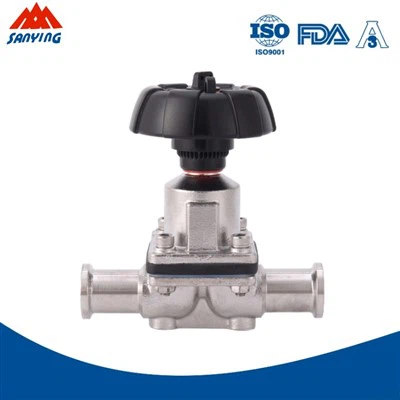
When it comes to industrial piping systems, the ability of valves to handle various flow conditions is of utmost importance. One common question that often arises is whether a Weld Manual Sanitary Butterfly Valve can be used in a reverse - flow situation. As a trusted supplier of Weld Manual Sanitary Butterfly Valve, I'd like to delve into this topic to provide you with a comprehensive understanding.
Understanding Weld Manual Sanitary Butterfly Valves
Before discussing reverse - flow applications, let's first establish what a Weld Manual Sanitary Butterfly Valve is. These valves are designed for use in sanitary applications, such as the food and beverage, pharmaceutical, and cosmetic industries. They are typically made from high - quality stainless steel to meet the strict hygiene standards of these sectors.
The valve consists of a disc centered in the pipe, which rotates within the valve body to control the flow of fluid. A manual actuator is used to open and close the valve, providing operators with direct control. The welded connection ensures a leak - proof and robust attachment to the piping system, which is crucial for maintaining the integrity of the system.
Normal Flow Direction in Sanitary Butterfly Valves
In normal operation, sanitary butterfly valves have a recommended flow direction. The disc of the valve is designed to pivot in a way that allows for smooth and efficient flow when the fluid moves in the intended direction. When the valve is fully open, the disc is parallel to the flow, offering minimal resistance. As the valve closes, the disc rotates to block the flow path gradually.
This unidirectional design helps in achieving accurate flow control, reducing pressure drops, and preventing unnecessary wear and tear on the valve components. However, the question remains: what happens when the flow is reversed?
Can Weld Manual Sanitary Butterfly Valves Handle Reverse Flow?
The short answer is that it depends. Some Weld Manual Sanitary Butterfly Valves can be used in reverse - flow situations, while others may not be suitable.
Factors Affecting Reverse - Flow Performance
- Valve Design: The design of the valve plays a crucial role. Some valves are specifically engineered to be bidirectional, meaning they can function effectively in either flow direction. These valves often have symmetrical discs and body designs that allow for uniform performance regardless of the flow direction. For example, certain high - end models use a balanced disc design that distributes the pressure evenly across the disc, reducing the risk of deformation under reverse - flow conditions.
- Sealing Mechanism: The sealing ability of the valve is another important factor. In normal flow, the valve's sealing is optimized for one direction. When the flow is reversed, the sealing performance may be affected. For instance, if the valve uses a soft - seated seal, the reversed pressure may cause the seal to deform or extrude, leading to leakage. However, some valves feature self - energizing seals that can adapt to different pressure directions and maintain a tight seal.
- Pressure and Temperature: The operating pressure and temperature of the system also impact the valve's ability to handle reverse flow. High - pressure reverse flow can exert excessive force on the valve disc and other components, potentially causing damage. Similarly, extreme temperatures can affect the material properties of the valve, such as the elasticity of the seals, which may compromise the valve's performance in reverse - flow situations.
Advantages of Using in Reverse - Flow Conditions
When a Weld Manual Sanitary Butterfly Valve is capable of handling reverse flow, it offers several advantages:
- Flexibility in System Design: It allows for more flexibility in piping system design, as the valve can be installed without strict regard for the flow direction. This can simplify the installation process and reduce the need for complex piping layouts.
- Emergency Situations: In case of unexpected flow reversals due to system failures or emergency shutdowns, a bidirectional valve can continue to function without causing significant disruptions to the system.
Disadvantages and Considerations
However, there are also some disadvantages and considerations when using a valve in reverse - flow situations:
- Reduced Performance: In some cases, the valve may not perform as efficiently in reverse flow as it does in the normal flow direction. There may be increased pressure drops, which can lead to higher energy consumption and reduced system efficiency.
- Increased Wear: Reverse flow can cause additional wear and tear on the valve components, especially the seals and the disc. This may shorten the valve's service life and increase the maintenance requirements.
- Safety Concerns: If the valve is not designed to handle reverse flow properly, there is a risk of leakage, which can pose safety hazards, especially in industries where the fluids are hazardous or require strict hygiene control.
Comparison with Clamped Manual Sanitary Butterfly Valves
It's also worth comparing the performance of Weld Manual Sanitary Butterfly Valves with Clamped Manual Sanitary Butterfly Valve in reverse - flow situations.
Clamped design valves are known for their quick - installation and easy - maintenance features. In terms of reverse - flow performance, clamped valves may have similar considerations as welded valves. However, the clamping mechanism may introduce additional variables. For example, the clamping force may affect the sealing performance under reverse - flow pressure. Some clamped valves are designed to be bidirectional, but proper installation and clamping are crucial to ensure reliable performance.
Recommendations for Using Valves in Reverse - Flow Situations
If you are considering using a Weld Manual Sanitary Butterfly Valve in a reverse - flow situation, here are some recommendations:
- Consult the Manufacturer: Always consult with the valve manufacturer to determine if the specific valve model is suitable for reverse - flow applications. The manufacturer can provide detailed information about the valve's design, performance limits, and any special requirements for reverse - flow operation.
- Conduct a Risk Assessment: Evaluate the potential risks associated with reverse flow, such as leakage, increased wear, and reduced performance. Consider the consequences of these risks on your system and operations.
- Monitor and Maintain: Implement a regular monitoring and maintenance program. Check the valve for any signs of wear, leakage, or damage, especially after a reverse - flow event. Replace any worn - out components promptly to ensure the continued reliability of the valve.
Conclusion
In conclusion, whether a Weld Manual Sanitary Butterfly Valve can be used in a reverse - flow situation depends on multiple factors, including valve design, sealing mechanism, and operating conditions. While some valves are designed to be bidirectional and can handle reverse flow effectively, others may not be suitable. It is essential to carefully assess the requirements of your system and consult with the valve manufacturer before making a decision.


If you are in need of a high - quality Weld Manual Sanitary Butterfly Valve for your application, whether it's for normal or reverse - flow conditions, we are here to help. Our team of experts can provide you with detailed product information, technical support, and solutions tailored to your specific needs. Feel free to contact us to start a discussion about your procurement requirements.
References
- Valve Handbook: A Guide to Valve Technology and Applications
- Industry Standards for Sanitary Valves
- Manufacturer's Technical Documents on Weld Manual Sanitary Butterfly Valves