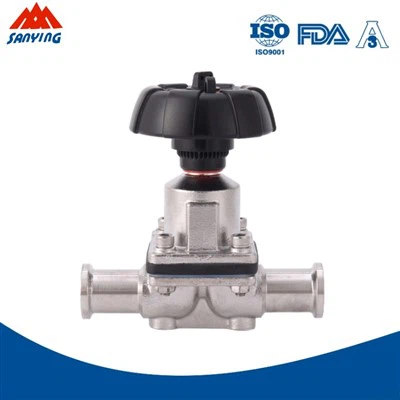
In the realm of fluid control systems, the efficiency of a system is a critical factor that can significantly impact operations, productivity, and overall performance. One component that plays a pivotal role in enhancing system efficiency is the sanitary diaphragm valve. As a leading supplier of sanitary diaphragm valves, I have witnessed firsthand how these valves can transform the functionality and effectiveness of various systems. In this blog post, I will delve into the ways in which a sanitary diaphragm valve affects the overall efficiency of a system.
1. Precise Flow Control
One of the primary functions of a sanitary diaphragm valve is to regulate the flow of fluids within a system. The design of the diaphragm valve allows for precise control over the flow rate, ensuring that the right amount of fluid is delivered at the right time. This precision is crucial in industries such as food and beverage, pharmaceuticals, and biotechnology, where accurate dosing and dispensing are essential for product quality and consistency.
For example, in a pharmaceutical manufacturing process, a sanitary diaphragm valve can be used to control the flow of active ingredients into a mixing tank. By precisely regulating the flow rate, the valve ensures that the correct amount of each ingredient is added, resulting in a homogeneous mixture and a high-quality final product. This level of control not only improves product quality but also reduces waste and minimizes the risk of product recalls.
Our U Type Manual Sanitary Diaphragm Valve is designed to provide precise flow control in a variety of applications. With its manual operation, operators can easily adjust the valve opening to achieve the desired flow rate, making it ideal for processes that require frequent adjustments.


2. Leakage Prevention
Another important aspect of system efficiency is the prevention of leakage. Leakage can lead to product loss, contamination, and environmental hazards, all of which can have a significant impact on the bottom line. Sanitary diaphragm valves are designed with a flexible diaphragm that seals against the valve body, preventing fluid from leaking out of the valve.
The diaphragm acts as a barrier between the fluid and the valve stem, eliminating the need for traditional packing materials that can wear out over time and cause leakage. This design feature not only ensures a tight seal but also reduces maintenance requirements and extends the service life of the valve.
In a food processing plant, for instance, a sanitary diaphragm valve can be used to control the flow of liquid ingredients in a piping system. By preventing leakage, the valve helps to maintain the integrity of the product and prevents cross-contamination between different batches. This not only improves product quality but also reduces the risk of foodborne illnesses and regulatory non-compliance.
Our BSP/NPT Female Thread Manual Straight Sanitary Diaphragm Valve is equipped with a high-quality diaphragm that provides excellent sealing performance. The valve's threaded connections make it easy to install and replace, ensuring a leak-free operation.
3. Easy Cleaning and Sanitization
In industries where hygiene is of utmost importance, such as food and beverage, pharmaceuticals, and cosmetics, easy cleaning and sanitization are essential for maintaining product quality and safety. Sanitary diaphragm valves are designed with smooth, crevice-free surfaces that are easy to clean and sanitize, reducing the risk of bacterial growth and contamination.
The diaphragm can be easily removed from the valve body for cleaning and inspection, allowing for thorough cleaning of all internal surfaces. This design feature not only ensures compliance with strict hygiene standards but also reduces downtime and maintenance costs.
For example, in a dairy processing plant, a sanitary diaphragm valve can be used to control the flow of milk in a pasteurization system. After each production run, the valve can be quickly disassembled and cleaned to remove any milk residues, preventing the growth of bacteria and ensuring the safety of the final product.
Our Welded Pneumatic Straight Sanitary Diaphragm Valve is designed for easy cleaning and sanitization. The valve's welded construction eliminates crevices and dead spaces, making it ideal for applications where hygiene is critical.
4. Low Pressure Drop
Pressure drop is a measure of the resistance to fluid flow in a piping system. A high pressure drop can result in increased energy consumption, reduced flow rates, and decreased system efficiency. Sanitary diaphragm valves are designed with a streamlined flow path that minimizes pressure drop, allowing for efficient fluid flow and reduced energy consumption.
The diaphragm valve's design allows for a large flow area, which reduces the velocity of the fluid and minimizes turbulence. This results in a lower pressure drop across the valve, allowing for more efficient operation of the system.
For example, in a water treatment plant, a sanitary diaphragm valve can be used to control the flow of water through a filtration system. By minimizing the pressure drop across the valve, the system can operate more efficiently, reducing energy consumption and operating costs.
5. Compatibility with Different Fluids
Sanitary diaphragm valves are available in a variety of materials and configurations, making them compatible with a wide range of fluids, including corrosive chemicals, high-temperature liquids, and abrasive slurries. This versatility allows for the use of the same valve in different applications, reducing the need for multiple valve types and simplifying system design and maintenance.
For example, in a chemical processing plant, a sanitary diaphragm valve can be used to control the flow of corrosive acids and alkalis. The valve's diaphragm can be made from a material that is resistant to corrosion, such as PTFE or EPDM, ensuring long-term durability and reliable operation.
6. Quick Response Time
In some applications, such as emergency shutdown systems and process control loops, a quick response time is essential for ensuring system safety and efficiency. Sanitary diaphragm valves are designed to provide a fast and reliable response to changes in flow rate or pressure, allowing for precise control of the system.
The valve's diaphragm can be actuated quickly and easily, either manually or pneumatically, depending on the application requirements. This allows for rapid opening and closing of the valve, ensuring that the system can respond quickly to changes in operating conditions.
Conclusion
In conclusion, a sanitary diaphragm valve can have a significant impact on the overall efficiency of a system. By providing precise flow control, preventing leakage, facilitating easy cleaning and sanitization, minimizing pressure drop, offering compatibility with different fluids, and providing a quick response time, these valves can improve product quality, reduce waste, and increase productivity.
As a supplier of sanitary diaphragm valves, we are committed to providing our customers with high-quality products that meet their specific requirements. Our valves are designed and manufactured to the highest standards of quality and reliability, ensuring long-term performance and customer satisfaction.
If you are looking to improve the efficiency of your system, we invite you to contact us to discuss your specific needs. Our team of experts will be happy to help you select the right valve for your application and provide you with the support and service you need to ensure a successful installation and operation.
References
- ASME BPE Standard for Sanitary Equipment
- ISO 20395:2018 Hygienic design of equipment for the food, beverage, and pharmaceutical industries
- 3-A Sanitary Standards for Dairy Equipment