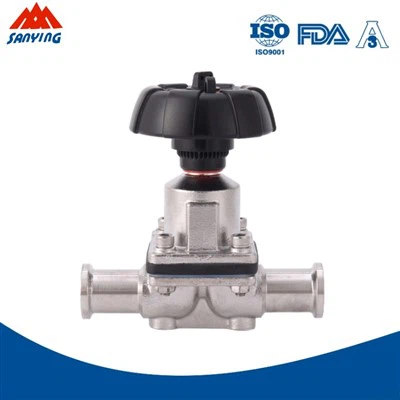
Hey there! As a supplier of manual butterfly valves, I've seen firsthand how important it is to have these valves properly calibrated. A well - calibrated manual butterfly valve can improve the efficiency of your system, prevent leaks, and save you a lot of headaches in the long run. So, let's dive into how to calibrate a manual butterfly valve.
Understanding the Basics
First off, what exactly is a manual butterfly valve? It's a type of valve that uses a disc to control the flow of a fluid. The disc rotates on a shaft, and by turning a handle, you can open or close the valve to regulate the flow. Manual butterfly valves are widely used in various industries, including water treatment, food and beverage, and chemical processing.
Before you start calibrating, you need to gather some tools. You'll typically need a torque wrench, a screwdriver, and a flow meter. The torque wrench is used to ensure that the valve is tightened to the correct specifications, the screwdriver might come in handy for adjusting any screws or bolts, and the flow meter helps you measure the flow rate accurately.
Step 1: Preparation
The first step in the calibration process is preparation. Turn off the system in which the valve is installed. This is crucial for your safety and to prevent any damage to the valve or the system. You don't want to be working on a live valve with fluid flowing through it.
Next, clean the valve. Over time, valves can accumulate dirt, debris, or corrosion. Use a soft brush and a suitable cleaning solution to gently clean the exterior and interior of the valve. Make sure to remove any buildup that might interfere with the valve's operation.
Step 2: Inspect the Valve
Once the valve is clean, give it a thorough inspection. Check for any visible signs of damage, such as cracks in the disc, corrosion on the shaft, or loose bolts. If you find any damaged parts, it's best to replace them before proceeding with the calibration. A damaged valve won't function properly, even if it's calibrated correctly.
Examine the seals as well. The seals are what prevent leaks in the valve. Look for any signs of wear or tear, and if the seals are damaged, replace them immediately. A leaking valve can lead to a loss of fluid, reduced system efficiency, and potential safety hazards.
Step 3: Check the Valve Position
Now, it's time to check the valve's position. With the valve closed, visually inspect the disc to make sure it's fully seated and closed tightly. There should be no gaps between the disc and the valve seat. If the disc isn't closing properly, you might need to adjust the position of the shaft or the disc itself.
You can also use a feeler gauge to measure the gap between the disc and the seat more precisely. The gap should be within the manufacturer's specified tolerance. If it's not, you'll need to make some adjustments. This might involve loosening some bolts and re - positioning the disc or the shaft.
Step 4: Calibrate the Opening and Closing Torque
One of the most important aspects of calibrating a manual butterfly valve is setting the correct opening and closing torque. This is where the torque wrench comes in. Refer to the valve's manual to find the recommended torque values for opening and closing the valve.
Slowly turn the valve handle using the torque wrench, and keep an eye on the torque reading. As you approach the recommended torque value, be careful not to over - tighten or under - tighten. Over - tightening can damage the valve, while under - tightening can lead to leaks.
Step 5: Flow Rate Calibration
To ensure that the valve is regulating the flow correctly, you need to calibrate the flow rate. Install the flow meter in the pipeline near the valve. Open the valve fully and let the fluid flow through the system. Record the flow rate reading on the flow meter.
Next, start closing the valve gradually in small increments. At each increment, record the corresponding flow rate. Make sure to do this slowly and carefully to get accurate readings. Compare the recorded flow rates with the expected flow rates based on the valve's specifications.


If the actual flow rates deviate significantly from the expected values, you might need to make further adjustments to the valve. This could involve fine - tuning the disc position or the torque settings.
Different Types of Manual Butterfly Valves
As a supplier, I offer different types of manual butterfly valves, such as the Weld Manual Sanitary Butterfly Valve and the Clamped Manual Sanitary Butterfly Valve. The calibration process is generally similar for both types, but there are some minor differences to keep in mind.
For welded valves, the connection is more permanent. When performing maintenance or calibration, you need to be extra careful not to damage the welds. On the other hand, clamped valves are easier to install and remove. They allow for quicker access to the valve for cleaning and calibration.
Common Mistakes to Avoid
During the calibration process, there are some common mistakes that you should avoid. One of the biggest mistakes is not following the manufacturer's instructions. Each valve has its own set of specifications and requirements, so it's essential to refer to the manual.
Another mistake is rushing through the calibration process. Calibration is a precise task that requires patience and attention to detail. If you rush, you might miss important steps or make inaccurate adjustments.
Conclusion
Calibrating a manual butterfly valve is not a difficult task, but it does require careful attention to detail. By following the steps outlined above, you can ensure that your valve is working efficiently and effectively.
If you're in the market for a high - quality manual butterfly valve, or if you have any questions about calibration or valve maintenance, don't hesitate to reach out. We're here to help and can provide you with the best solutions for your specific needs. Let's start a conversation and see how we can work together to meet your requirements.
References
- Valve Handbook: A Guide to Valve Selection, Installation, and Maintenance.
- Manufacturer's Manuals for Manual Butterfly Valves.