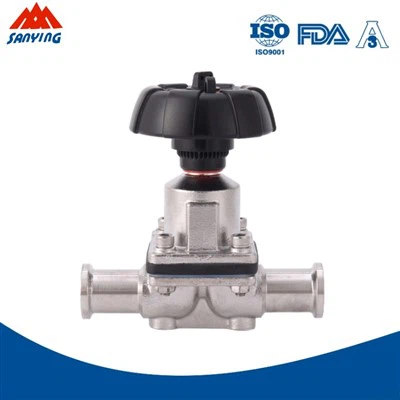
Maintaining a weld manual sanitary butterfly valve is crucial for ensuring its optimal performance, longevity, and compliance with sanitary standards. As a supplier of weld manual sanitary butterfly valves, I understand the significance of proper maintenance in various industries such as food and beverage, pharmaceuticals, and cosmetics. In this blog post, I will share some essential tips on how to maintain a weld manual sanitary butterfly valve effectively.
Understanding the Weld Manual Sanitary Butterfly Valve
Before delving into maintenance procedures, it's important to have a basic understanding of the weld manual sanitary butterfly valve. This type of valve is designed for use in sanitary applications where cleanliness and hygiene are of utmost importance. It consists of a disc that rotates within the valve body to control the flow of fluids. The valve is typically welded in place, providing a secure and leak - free connection. You can learn more about the Weld Manual Sanitary Butterfly Valve on our website.
Regular Inspection
Regular inspection is the first step in maintaining a weld manual sanitary butterfly valve. Inspections should be carried out at scheduled intervals, depending on the frequency of use and the nature of the process fluid. Here are some key aspects to check during an inspection:
Visual Inspection
- Valve Body: Check for any signs of corrosion, cracks, or damage to the valve body. Corrosion can weaken the structure of the valve and lead to leaks. If corrosion is detected, it may be necessary to clean the affected area and apply a suitable anti - corrosion coating.
- Disc and Seat: Inspect the disc and seat for wear, scratches, or deposits. The disc should rotate smoothly within the valve body, and the seat should provide a tight seal when the valve is closed. Any debris or deposits on the disc or seat can affect the valve's performance and lead to leakage.
Operational Inspection
- Handle and Actuator: If the valve is manually operated, check the handle for proper operation. The handle should turn easily and securely lock in the open or closed position. For valves with actuators, ensure that the actuator is functioning correctly and that there are no signs of mechanical failure.
- Flow Control: Test the valve's ability to control the flow of fluid. Open and close the valve several times and observe the flow rate and pressure. Any irregularities in flow control may indicate a problem with the valve's internal components.
Cleaning Procedures
Proper cleaning is essential for maintaining the sanitary integrity of the weld manual sanitary butterfly valve. The cleaning process should be carried out using appropriate cleaning agents and methods, depending on the type of process fluid and the level of contamination.
Disassembly (if necessary)
- In some cases, it may be necessary to disassemble the valve for a more thorough cleaning. However, disassembly should only be performed by trained personnel following the manufacturer's instructions. Before disassembly, ensure that the process is shut down and the valve is depressurized.
- Carefully remove the disc, seat, and other internal components, taking note of their orientation for reassembly.
Cleaning Agents
- Use cleaning agents that are approved for use in sanitary applications. Mild detergents or specialized cleaning solutions can be used to remove dirt, grease, and other contaminants. Avoid using abrasive cleaners or solvents that may damage the valve's surfaces.
- Follow the manufacturer's recommendations regarding the concentration and temperature of the cleaning agent.
Cleaning Process
- Immerse the disassembled components in the cleaning solution and soak them for the recommended period. Use a soft brush or cloth to gently clean the surfaces of the components, paying special attention to areas where deposits are likely to accumulate.
- Rinse the components thoroughly with clean water to remove any traces of the cleaning agent. Ensure that all cleaning solution is removed to prevent contamination of the process fluid.
Lubrication
Lubrication is important for ensuring the smooth operation of the weld manual sanitary butterfly valve. However, it's crucial to use lubricants that are compatible with the process fluid and the valve materials.
Lubricant Selection
- Choose a food - grade lubricant that is approved for use in sanitary applications. The lubricant should have good chemical resistance and be able to withstand the operating conditions of the valve.
- Avoid using lubricants that contain silicone or other substances that may contaminate the process fluid.
Lubrication Points
- Lubricate the moving parts of the valve, such as the stem and the bearings. Apply a small amount of lubricant to these points using a clean brush or applicator.
- Be careful not to over - lubricate, as excess lubricant can attract dirt and debris and cause problems with the valve's operation.
Reassembly and Testing
After cleaning and lubrication, the valve should be reassembled following the manufacturer's instructions. Here are some important steps to follow during reassembly:
Component Installation
- Ensure that all components are clean and dry before installation. Install the disc, seat, and other internal components in the correct orientation.
- Tighten all bolts and fasteners to the recommended torque specifications to prevent leaks.
Testing
- Once the valve is reassembled, perform a leak test to ensure that it is functioning correctly. Pressurize the valve and check for any signs of leakage around the valve body, connections, and seals.
- Test the valve's flow control and operational performance to ensure that it meets the required specifications.
Preventive Maintenance Measures
In addition to regular inspections, cleaning, and lubrication, there are several preventive maintenance measures that can be taken to extend the life of the weld manual sanitary butterfly valve:
Process Monitoring
- Monitor the process conditions, such as temperature, pressure, and flow rate, to ensure that they are within the valve's operating limits. Excessive temperature or pressure can cause damage to the valve and reduce its lifespan.
- Keep a record of the process conditions and any valve - related issues to identify trends and potential problems.
Training and Education
- Provide training to operators and maintenance personnel on the proper use and maintenance of the weld manual sanitary butterfly valve. Well - trained personnel are more likely to detect and address problems early, reducing the risk of costly breakdowns.
Spare Parts Inventory
- Maintain an inventory of critical spare parts, such as discs, seats, and gaskets. Having spare parts on hand can minimize downtime in the event of a valve failure.
Conclusion
Maintaining a weld manual sanitary butterfly valve is a critical task that requires attention to detail and adherence to proper procedures. By following the tips outlined in this blog post, you can ensure the optimal performance, longevity, and sanitary integrity of your valve.
If you have any questions about the maintenance of weld manual sanitary butterfly valves or are interested in purchasing our products, please feel free to contact us for further discussion and procurement negotiation. We are committed to providing high - quality products and excellent customer service.


References
- Manufacturer's Installation, Operation, and Maintenance Manuals
- Industry Standards for Sanitary Valves (e.g., 3 - A Sanitary Standards, ASME BPE)