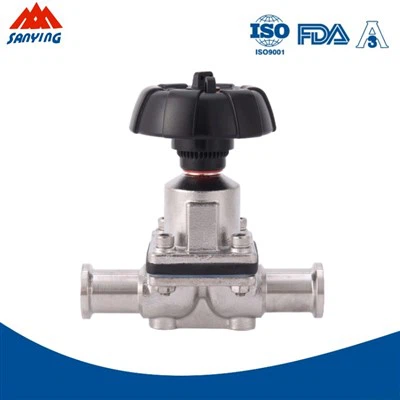
Hey there! As a supplier of electric butterfly valves, I've seen my fair share of electrical faults over the years. In this blog post, I'm gonna walk you through some of the most common electrical issues you might encounter with an electric butterfly valve and how to deal with 'em.
1. Motor Failure
One of the most frequent problems we come across is motor failure. The motor is the heart of the electric butterfly valve, responsible for opening and closing the valve. There are a few reasons why a motor might fail.
First off, overheating is a big culprit. If the motor runs for too long without proper cooling, the windings can get damaged. This can happen if the valve is constantly opening and closing in a high - demand application. Another reason could be a power surge. A sudden spike in voltage can fry the motor's internal components.
To prevent motor failure, make sure the motor has adequate ventilation. Also, consider installing a surge protector to safeguard it from power fluctuations. If you suspect motor failure, check for any signs of burning or unusual noises. If it's beyond repair, you'll probably need to replace the motor. You can find high - quality replacement motors for our Electric Sanitary Butterfly Valve at Electric Sanitary Butterfly Valve.
2. Control Signal Issues
The control signal is what tells the electric butterfly valve when to open and close. Problems with the control signal can lead to erratic valve operation.
One common issue is a weak or interrupted signal. This could be due to a faulty cable or a problem with the control system itself. Sometimes, the signal might be getting interfered with by other electrical equipment nearby.
To troubleshoot control signal issues, start by checking the cables for any signs of damage. Make sure they're properly connected. If the cables seem fine, test the control system to see if it's sending out the correct signals. You may need to consult an electrician or a technician to diagnose and fix more complex control system problems.
3. Limit Switch Malfunctions
Limit switches are used to tell the valve when it has reached its fully open or fully closed position. When these switches malfunction, the valve might not stop at the right place, which can cause all sorts of problems.
A limit switch can fail due to mechanical wear and tear. Over time, the contacts inside the switch can become worn out, leading to inconsistent operation. Another cause could be dirt or debris getting into the switch, preventing it from working properly.
To fix a limit switch problem, you can try cleaning the switch to remove any dirt or debris. If that doesn't work, you'll likely need to replace the limit switch. It's important to use high - quality limit switches to ensure reliable valve operation. Our Electric Sanitary Butterfly Valve comes with top - notch limit switches, but if you need a replacement, you can find suitable ones through our product range.
4. Solenoid Valve Problems
In some electric butterfly valve systems, solenoid valves are used to control the flow of air or fluid that actuates the valve. Solenoid valve issues can disrupt the normal operation of the electric butterfly valve.
A common problem with solenoid valves is clogging. Dirt, rust, or other particles can get trapped inside the valve, preventing it from opening or closing properly. Also, the solenoid coil can burn out if it's subjected to excessive voltage or if it overheats.
To deal with a clogged solenoid valve, you can try flushing it out with a suitable cleaning solution. If the solenoid coil is burned out, you'll need to replace it. Make sure to choose a solenoid valve that's compatible with your electric butterfly valve system.
5. Wiring Problems
Wiring is the backbone of any electrical system, and electric butterfly valves are no exception. Loose, damaged, or incorrectly connected wires can cause a whole host of problems.
Loose wires can lead to intermittent electrical connections, which can make the valve operate unpredictably. Damaged wires, on the other hand, can cause short circuits or electrical failures. Incorrect wiring can also prevent the valve from receiving the right signals or power.
When checking for wiring problems, visually inspect all the wires for any signs of damage. Make sure all the connections are tight. If you find any damaged wires, replace them immediately. It's always a good idea to follow the wiring diagram provided with your electric butterfly valve to ensure correct installation.


6. Power Supply Issues
A stable power supply is crucial for the proper functioning of an electric butterfly valve. Power supply problems can range from low voltage to complete power outages.
Low voltage can cause the motor to run slower than normal or not at all. This can be due to a problem with the electrical grid or an issue with the power supply unit. Power outages, of course, will stop the valve from working altogether.
To address power supply issues, start by checking the voltage at the valve. If the voltage is too low, you may need to consult an electrician to find out if there's a problem with the electrical system. In case of a power outage, you can consider installing a backup power source, such as a generator or an uninterruptible power supply (UPS), to keep the valve operational during outages.
Tips for Preventing Electrical Faults
- Regular Maintenance: Schedule regular maintenance checks for your electric butterfly valves. This includes cleaning, lubricating, and inspecting all the electrical components.
- Use Quality Components: Always use high - quality motors, limit switches, solenoid valves, and wiring. Cheaper components may save you money upfront but can lead to more frequent breakdowns in the long run.
- Proper Installation: Make sure the electric butterfly valve is installed correctly according to the manufacturer's instructions. Incorrect installation can lead to a host of electrical problems.
Conclusion
Well, there you have it - the most common electrical faults of an electric butterfly valve. By being aware of these issues and taking the necessary preventive measures, you can keep your valves running smoothly and avoid costly downtime.
If you're experiencing any of these electrical faults or if you're in the market for a new electric butterfly valve, don't hesitate to reach out. We're here to help you find the right solutions for your needs. Whether you need a replacement part or a brand - new valve, we've got you covered. Contact us today to start a procurement discussion and let's find the perfect electric butterfly valve solution for your application.
References
- Electrical Engineering Handbook for Industrial Valves
- Manufacturer's Manuals for Electric Butterfly Valves