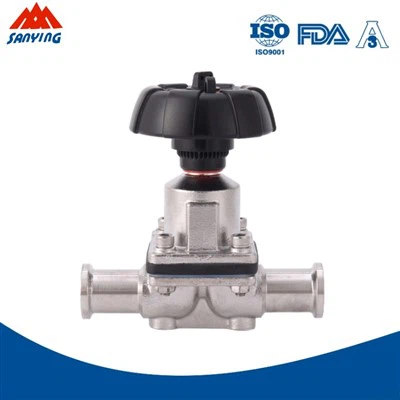
Hey there! I'm a supplier of Weld Manual Sanitary Butterfly Valves, and I've seen my fair share of issues with these valves over the years. In this blog, I'll be talking about the common faults of a Weld Manual Sanitary Butterfly Valve and how you can avoid them.
First off, let's talk about what a Weld Manual Sanitary Butterfly Valve is. It's a type of valve that's commonly used in the food, beverage, pharmaceutical, and other sanitary industries. The valve is designed to control the flow of liquids or gases in a pipeline. It has a disc that rotates around an axis to open or close the valve. The weld design means it's permanently attached to the pipeline, providing a secure and leak - free connection. You can learn more about it here: Weld Manual Sanitary Butterfly Valve.
Common Faults
1. Leakage
One of the most common problems with Weld Manual Sanitary Butterfly Valves is leakage. This can happen for several reasons. Firstly, if the valve seat is damaged, it won't create a proper seal when the valve is closed. Over time, the constant movement of the disc against the seat can cause wear and tear. Chemicals in the fluid being transported can also corrode the seat, leading to leakage.
Another cause of leakage can be improper installation. If the valve isn't welded correctly to the pipeline, there might be gaps that allow fluid to seep through. Also, if the bolts or gaskets used in the valve assembly are loose or damaged, it can result in leakage.
To prevent leakage, regular inspection of the valve seat is crucial. You should look for signs of wear, corrosion, or damage. If you notice any issues, replace the seat as soon as possible. During installation, make sure to follow the manufacturer's guidelines carefully. Check the tightness of bolts and the condition of gaskets regularly.
2. Difficulty in Operation
Sometimes, users may find it difficult to operate the valve. This could be due to a few factors. One of the main reasons is the build - up of debris or deposits inside the valve. In industries where the fluid contains particles or sediments, these can accumulate around the disc and the stem. This build - up restricts the movement of the disc, making it hard to open or close the valve.
Another reason for difficult operation could be a problem with the stem. If the stem is bent or damaged, it won't be able to rotate the disc smoothly. Also, lack of lubrication in the stem area can cause friction, making the valve hard to turn.


To solve this issue, you need to clean the valve regularly. Use appropriate cleaning agents that are safe for the valve materials. If the stem is damaged, it should be replaced. And don't forget to lubricate the stem at regular intervals to ensure smooth operation.
3. Disc Alignment Issues
The disc of the Weld Manual Sanitary Butterfly Valve needs to be properly aligned for the valve to function correctly. Misalignment can occur during installation or due to external forces acting on the pipeline. If the disc is misaligned, it won't close properly, leading to leakage. It can also cause uneven wear on the valve seat, reducing the valve's lifespan.
To check for disc alignment, you can visually inspect the valve when it's in the closed position. Look for any gaps between the disc and the seat. You can also use measuring tools to ensure that the disc is centered correctly. If misalignment is detected, you may need to adjust the valve or realign the pipeline.
4. Corrosion
Corrosion is a major concern, especially in industries where the fluid being transported is corrosive. The valve body, disc, and seat can all be affected by corrosion. Over time, corrosion weakens the valve structure, leading to leakage and other problems.
The type of corrosion can vary depending on the fluid and the environment. For example, pitting corrosion can occur when the fluid contains chloride ions. This type of corrosion creates small holes in the valve surface, which can quickly spread and cause significant damage.
To prevent corrosion, choose a valve made from corrosion - resistant materials. Stainless steel is a popular choice for sanitary applications as it has good resistance to many chemicals. You can also apply protective coatings to the valve to further enhance its corrosion resistance.
5. Noise and Vibration
Excessive noise and vibration can be a sign of a problem with the Weld Manual Sanitary Butterfly Valve. This can happen when the valve is operating at high flow rates or when there are pressure fluctuations in the pipeline. The vibration can cause damage to the valve components over time, and the noise can be a nuisance in the workplace.
To reduce noise and vibration, you can install dampers or flow - control devices in the pipeline. These help to regulate the flow and pressure, reducing the stress on the valve. Also, make sure the valve is properly supported and secured to the pipeline to minimize movement.
Comparison with Clamped Manual Sanitary Butterfly Valves
It's worth comparing Weld Manual Sanitary Butterfly Valves with Clamped Manual Sanitary Butterfly Valves. Clamped valves are easier to install and remove compared to welded valves. They don't require welding, which can save time and labor costs during installation. However, clamped valves may be more prone to leakage if the clamps aren't tightened properly.
Welded valves, on the other hand, provide a more permanent and secure connection. They are less likely to come loose during operation, making them a better choice for high - pressure applications. But as we've seen, they have their own set of potential problems, mainly related to the welding process and long - term wear.
Conclusion
In conclusion, while Weld Manual Sanitary Butterfly Valves are a great choice for many sanitary applications, they do come with some common faults. By being aware of these issues and taking preventive measures, you can ensure that your valves operate smoothly and efficiently for a long time.
If you're in the market for Weld Manual Sanitary Butterfly Valves or have any questions about the faults and solutions I've discussed, feel free to reach out. We're here to help you make the right choice for your specific needs and ensure that your valves perform at their best.
References
- Industry standards for sanitary valves
- Manufacturer's manuals for Weld Manual Sanitary Butterfly Valves
- Technical papers on valve maintenance and troubleshooting