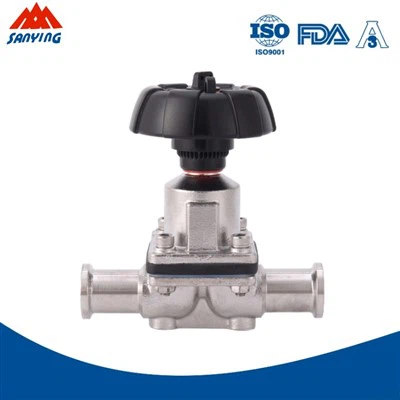
Hey there! As a supplier of manual ball valves, I often get asked about the correct installation orientation of these valves. It might seem like a simple thing, but getting it right is super important for the valve to work properly and last a long time. In this blog, I'm gonna share some insights on this topic.
First off, let's understand what a manual ball valve is. A manual ball valve is a type of quarter - turn valve that uses a ball with a hole in it to control the flow of fluid. When the valve is open, the hole in the ball aligns with the pipe, allowing the fluid to flow through. When you turn the handle a quarter - turn, the ball rotates so the hole is perpendicular to the pipe, stopping the flow.
Now, let's talk about the installation orientation. There are a few key points to keep in mind.
1. Flow Direction
Most manual ball valves are bidirectional, which means they can work in either flow direction. However, some valves are designed with a preferred flow direction. You can usually tell if a valve has a preferred flow direction by looking for an arrow on the valve body. This arrow indicates the recommended direction of fluid flow.
If you install a valve with a preferred flow direction in the wrong way, it might not seal properly. This can lead to leaks, which can be a big headache, especially in industrial or plumbing systems. So, always check for that arrow and make sure to install the valve according to the indicated flow direction.
2. Horizontal and Vertical Installation
Horizontal Installation
Installing a manual ball valve horizontally is a common practice. When the valve is installed horizontally, the handle should be easy to access and turn. It's important to make sure that the valve is properly supported, especially if it's in a large - diameter pipeline. The weight of the valve and the fluid in the pipe can put stress on the valve, and improper support can cause the valve to warp or leak over time.
One advantage of horizontal installation is that it's easier to drain the pipeline. If you need to empty the pipe for maintenance or repair, having the valve installed horizontally allows the fluid to flow out more easily.
Vertical Installation
Vertical installation of a manual ball valve also has its place. When installing a valve vertically, the flow should be from the bottom to the top. This helps to prevent air pockets from forming inside the valve, which can affect its performance.
If the flow is from the top to the bottom, air can get trapped in the valve, causing the valve to make a rattling noise or not close properly. Also, in vertical installation, the handle should be installed in a position where it can be easily operated. You don't want to have to reach up high or bend down too far to turn the valve.


3. Mounting Position
The mounting position of the handle is another important factor. The handle should be installed in a way that it can be turned without any obstruction. In industrial settings, there might be other equipment or pipes nearby, so it's crucial to plan the installation carefully to ensure easy access to the valve handle.
If the handle is difficult to turn, it can lead to improper operation of the valve. For example, if you can't fully turn the handle to the open or closed position, the valve might not function as intended, and it could cause problems in the system.
4. Considerations for Different Applications
In different applications, the installation orientation might need to be adjusted accordingly.
In a Food and Beverage Industry
In the food and beverage industry, hygiene is of utmost importance. That's where our Clamped Manual Sanitary Ball Valve comes in handy. These valves are designed to meet strict sanitary standards. When installing them, you need to make sure that there are no dead spaces where bacteria can grow. The valve should be installed in a way that it can be easily cleaned and sanitized.
In a Chemical Industry
In the chemical industry, the type of chemical being transported through the valve matters. Some chemicals are corrosive, and the installation orientation might need to be adjusted to minimize the contact time between the corrosive chemical and the valve components. For example, if a chemical is more likely to cause erosion at the bottom of the valve, you might want to consider the flow direction and mounting position to reduce this risk.
5. Testing After Installation
Once you've installed the manual ball valve, it's essential to test it. Open and close the valve a few times to make sure it operates smoothly. Check for any leaks around the valve body, the connections, or the packing. A small leak can turn into a big problem over time, so it's better to catch it early.
The Importance of Correct Installation
Getting the installation orientation right is not just about making the valve work; it's also about safety and efficiency. A properly installed valve can prevent accidents such as leaks, spills, and even system failures. It also ensures that the valve operates smoothly and lasts longer, which saves you money on replacements and repairs in the long run.
Conclusion
In conclusion, the correct installation orientation of a manual ball valve depends on several factors, including the flow direction, horizontal or vertical installation, mounting position, and the specific application. By following these guidelines, you can ensure that your manual ball valve works effectively and safely.
If you're in the market for high - quality manual ball valves, we're here to help. Whether you need a standard valve for a plumbing project or a specialized valve for an industrial application, we've got you covered. Feel free to reach out to us for more information and to discuss your procurement needs. We're ready to have a chat and find the perfect valve solution for you.
References
- Industry standards for valve installation
- Product manuals of manual ball valves