What is the energy consumption of operating a manual ball valve?
As a well - established manual ball valve supplier, I've encountered numerous inquiries from customers regarding the energy consumption associated with operating manual ball valves. In this blog, I aim to provide a comprehensive understanding of this topic, exploring the factors influencing energy use and clarifying common misconceptions.


Understanding Manual Ball Valves
Before delving into energy consumption, it's essential to understand what a manual ball valve is. A manual ball valve is a type of quarter - turn valve that uses a ball with a hole in the middle to control the flow of fluid. When the valve is open, the hole in the ball aligns with the pipe, allowing fluid to pass through. When the valve is closed, the ball is rotated 90 degrees, blocking the flow.
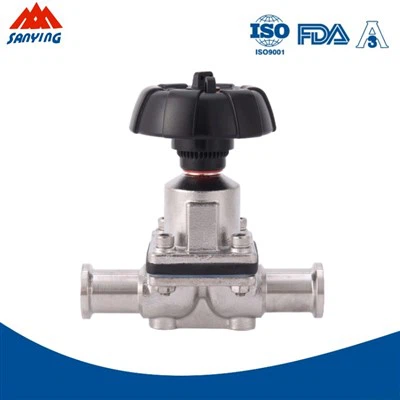
Manual ball valves are widely used in various industries, including oil and gas, water treatment, chemical processing, and food and beverage. They are favored for their simplicity, durability, and reliable shut - off capabilities. For instance, in the food and beverage industry, Clamped Manual Sanitary Ball Valve is a popular choice due to its hygienic design and ease of operation.
Energy Consumption Basics
The energy consumption of operating a manual ball valve is fundamentally different from that of automated valves. Automated valves, such as electric or pneumatic ball valves, require external power sources to operate. Electric valves need electricity to drive the motor that rotates the ball, while pneumatic valves rely on compressed air.
In contrast, manual ball valves are operated by human force. The energy input comes from the person turning the valve handle. This means that the direct energy consumption in the traditional sense (such as electrical or pneumatic energy) is virtually zero during normal operation. However, this doesn't mean that there are no energy - related aspects to consider.
Factors Influencing the "Energy" of Manual Operation
- Valve Size: Larger manual ball valves generally require more force to operate. This is because the surface area of the ball in contact with the seat is larger, and the frictional forces between the ball and the seat increase with size. For example, a 6 - inch manual ball valve will typically require more effort to turn than a 2 - inch one. The extra force needed can be thought of as an "energy" cost to the operator.
- Fluid Pressure: Higher fluid pressure in the pipeline can make it more difficult to operate a manual ball valve. When the pressure is high, the force exerted on the ball by the fluid can create a significant resistance to rotation. In extreme cases, the pressure may be so high that it becomes challenging or even impossible for a single person to operate the valve manually.
- Sealing Material and Design: The type of sealing material used in the valve and its design can also affect the operating force. A valve with a tight - fitting seal may require more force to turn, especially if the seal material has a high coefficient of friction. On the other hand, a well - designed seal can reduce leakage and improve the overall efficiency of the valve system.
Energy - Related Indirect Costs
- Maintenance: Although manual ball valves are relatively low - maintenance, they still require periodic checks and servicing. The energy used in the manufacturing, transportation, and disposal of maintenance materials (such as lubricants, gaskets, and replacement parts) can be considered an indirect energy cost associated with the valve.
- System Efficiency: A poorly operating manual ball valve can lead to inefficiencies in the overall fluid system. For example, if a valve is not fully open or closed, it can cause pressure drops and increased flow resistance, which in turn requires more energy from pumps or other equipment in the system to maintain the desired flow rate.
Comparing with Automated Valves
When comparing manual ball valves with automated ones in terms of energy consumption, it's important to consider the specific application. In applications where the valve needs to be operated frequently or in remote locations, automated valves may be more suitable, despite their energy requirements. However, in situations where the valve is only operated occasionally, a manual ball valve can be a more energy - efficient choice.
For example, in a small - scale water treatment plant, a manual ball valve can be used to control the flow of water during maintenance or emergency shut - offs. Since these operations are not frequent, the energy savings from using a manual valve instead of an automated one can be significant over time.
Real - World Examples
Let's take a look at a real - world scenario in the oil and gas industry. In an offshore oil platform, there are numerous valves used to control the flow of oil and gas. Manual ball valves are often used in areas where the valves are not required to be operated frequently, such as isolation valves. By using manual valves, the platform can reduce its overall energy consumption, as it doesn't need to supply power to these valves continuously.
In the food and beverage industry, the Clamped Manual Sanitary Ball Valve is commonly used in pipelines for product transfer. These valves are easy to operate manually, and since they are used in a relatively clean environment, the maintenance requirements are low, resulting in minimal indirect energy costs.
Conclusion
In conclusion, the direct energy consumption of operating a manual ball valve is negligible as it relies on human force. However, factors such as valve size, fluid pressure, and sealing design can influence the effort required for operation. There are also indirect energy costs associated with maintenance and system efficiency.
When choosing between manual and automated ball valves, it's crucial to consider the specific requirements of the application, including the frequency of operation, location, and overall system design. As a manual ball valve supplier, I am committed to providing high - quality valves that offer optimal performance and energy - efficient solutions.
If you are interested in learning more about our manual ball valves or have specific requirements for your project, I encourage you to reach out for a procurement discussion. We can work together to find the best valve solutions for your needs.
References
- "Valve Handbook" by J. S. T. Smith
- Industry standards and guidelines for ball valve design and operation