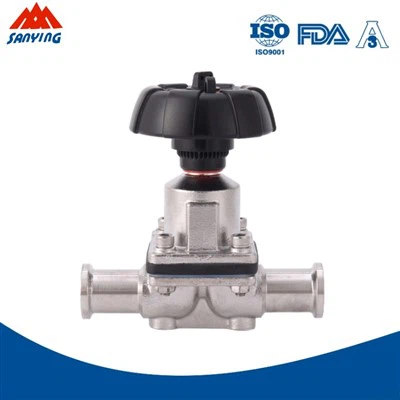
When it comes to the world of fluid control in sanitary applications, manual sanitary diaphragm valves are a cornerstone. As a seasoned supplier of manual sanitary diaphragm valves, I've had the privilege of working closely with various industries, from food and beverage to pharmaceuticals and biotechnology. One of the most frequently asked questions I encounter is about the operating pressure of these valves. In this blog post, I'll delve into the details of what the operating pressure of a manual sanitary diaphragm valve is, how it's determined, and why it matters.
Understanding Manual Sanitary Diaphragm Valves
Before we jump into the topic of operating pressure, let's take a moment to understand what manual sanitary diaphragm valves are. These valves are designed for use in applications where hygiene and cleanliness are of utmost importance. They feature a flexible diaphragm that separates the flow medium from the valve body and the actuator. The diaphragm is typically made of materials such as EPDM, PTFE, or silicone, which are resistant to chemicals and can withstand high temperatures.
Manual sanitary diaphragm valves are operated by a handwheel or lever, which allows the user to control the flow of the medium through the valve. They are available in various configurations, including straight-through, angle, and three-way designs. Some common types of manual sanitary diaphragm valves in our product range include the 3 Way Manual Sanitary Diaphragm Valve, the BSP/NPT Female Thread Manual Straight Sanitary Diaphragm Valve, and the Flanged Manual Straight Sanitary Diaphragm Valve.
What is Operating Pressure?
Operating pressure refers to the maximum pressure that a valve can safely handle during normal operation. It is an important parameter to consider when selecting a valve for a specific application, as exceeding the operating pressure can lead to valve failure, leakage, or even safety hazards.


The operating pressure of a manual sanitary diaphragm valve is determined by several factors, including the design of the valve, the materials used in its construction, and the type of diaphragm. Different valve designs and materials have different pressure ratings, so it's crucial to choose a valve that is suitable for the pressure requirements of your application.
Factors Affecting Operating Pressure
Valve Design
The design of the valve plays a significant role in determining its operating pressure. For example, a straight-through valve design generally has a higher pressure rating than an angle or three-way valve design, as the flow path is more direct and there are fewer bends and restrictions. Additionally, the size and thickness of the valve body and the diaphragm also affect the pressure rating. A larger valve body and a thicker diaphragm can typically withstand higher pressures.
Diaphragm Material
The material of the diaphragm is another important factor that affects the operating pressure of the valve. Different diaphragm materials have different mechanical properties, such as strength, flexibility, and chemical resistance. For example, PTFE diaphragms are known for their excellent chemical resistance and high temperature tolerance, but they may have a lower pressure rating compared to EPDM or silicone diaphragms. On the other hand, EPDM diaphragms are more flexible and can withstand higher pressures, but they may not be suitable for applications where chemical resistance is a major concern.
Temperature
Temperature can also have an impact on the operating pressure of a manual sanitary diaphragm valve. As the temperature increases, the mechanical properties of the diaphragm and the valve body may change, which can affect the pressure rating of the valve. In general, the pressure rating of a valve decreases as the temperature increases. Therefore, it's important to consider the operating temperature range when selecting a valve and to ensure that the valve is rated for the maximum temperature that it will encounter in the application.
Determining the Operating Pressure for Your Application
To determine the appropriate operating pressure for your application, you need to consider several factors, including the maximum pressure that the system will experience, the temperature of the medium, and the type of fluid being handled. Here are some steps to help you select the right valve for your application:
- Understand Your System Requirements: Determine the maximum pressure and temperature that the system will operate at. This information can usually be obtained from the system design specifications or by consulting with a process engineer.
- Consider the Fluid Properties: Different fluids have different properties, such as viscosity, corrosiveness, and abrasiveness. These properties can affect the performance and lifespan of the valve, so it's important to choose a valve and diaphragm material that are compatible with the fluid being handled.
- Select the Right Valve Design: Based on your system requirements and the fluid properties, choose a valve design that is suitable for your application. Consider factors such as the flow rate, the number of ports, and the type of connection.
- Check the Pressure Rating: Once you have selected a valve design, check the pressure rating of the valve to ensure that it is suitable for the operating pressure of your system. The pressure rating is usually specified by the valve manufacturer and can be found in the product documentation.
Importance of Operating Pressure in Sanitary Applications
In sanitary applications, maintaining the correct operating pressure is crucial for ensuring the safety and efficiency of the system. Here are some reasons why operating pressure is important:
Preventing Leakage
Exceeding the operating pressure of a valve can cause the diaphragm to rupture or the valve seals to fail, leading to leakage of the fluid. In sanitary applications, leakage can contaminate the product, cause environmental hazards, and result in costly downtime for cleaning and maintenance.
Ensuring Product Quality
Maintaining the correct operating pressure is essential for ensuring the quality of the product being processed. In industries such as food and beverage and pharmaceuticals, even a small variation in pressure can affect the taste, texture, and stability of the product. By using a valve with the appropriate operating pressure rating, you can ensure that the product is processed under consistent and controlled conditions.
Safety
Operating a valve beyond its pressure rating can pose a safety risk to personnel and equipment. High-pressure leaks can cause injuries, and valve failure can lead to system malfunctions or even explosions. Therefore, it's important to follow the manufacturer's recommendations and select a valve that is suitable for the operating pressure of your system.
Contact Us for Your Manual Sanitary Diaphragm Valve Needs
As a leading supplier of manual sanitary diaphragm valves, we have a wide range of products to meet the diverse needs of our customers. Our valves are designed and manufactured to the highest standards of quality and reliability, and we offer competitive pricing and excellent customer service.
If you have any questions about the operating pressure of our manual sanitary diaphragm valves or need help selecting the right valve for your application, please don't hesitate to contact us. Our team of experts is ready to assist you with your valve selection and provide you with the information you need to make an informed decision.
References
- Valve Handbook, edited by Robert W. Mathias and Robert A. Streeter
- Sanitary Process Design Guidelines, published by the International Society of Beverage Technologists
- Diaphragm Valve Technology, by Richard W. Miller